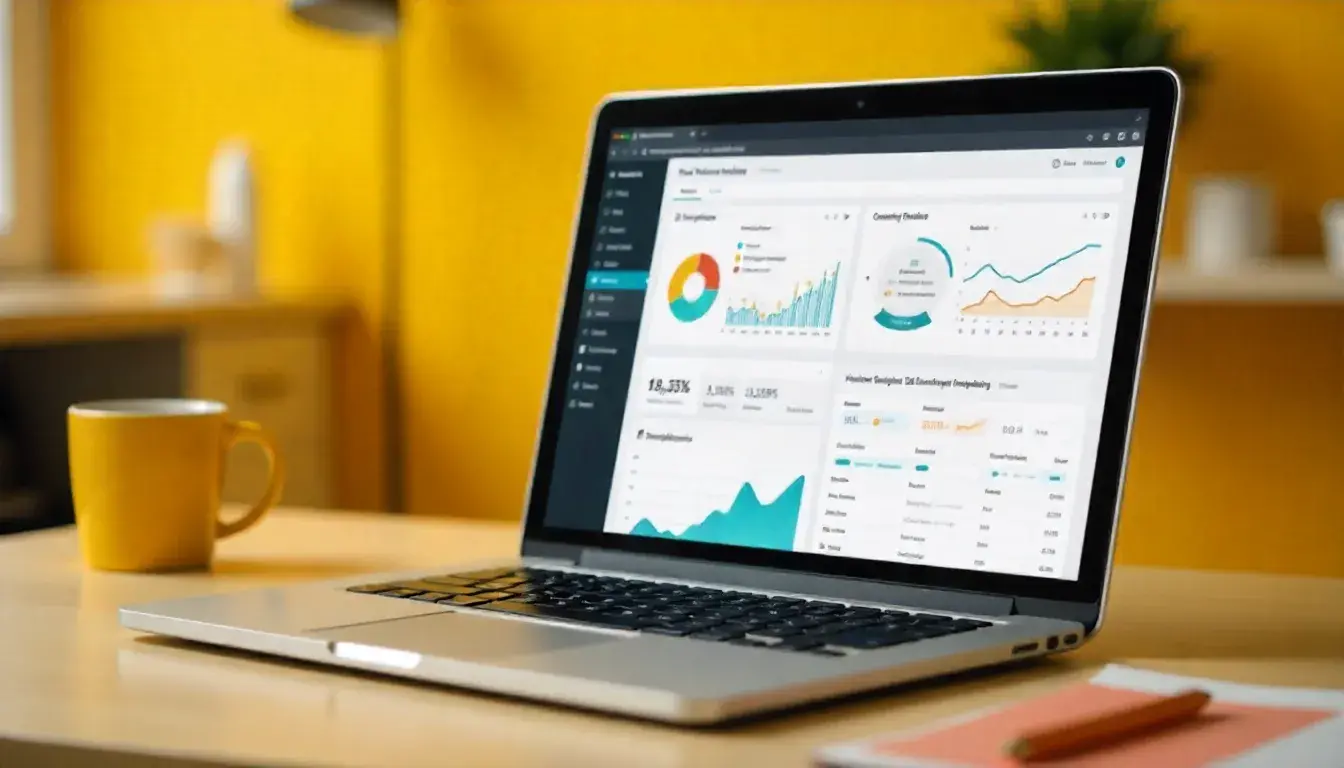
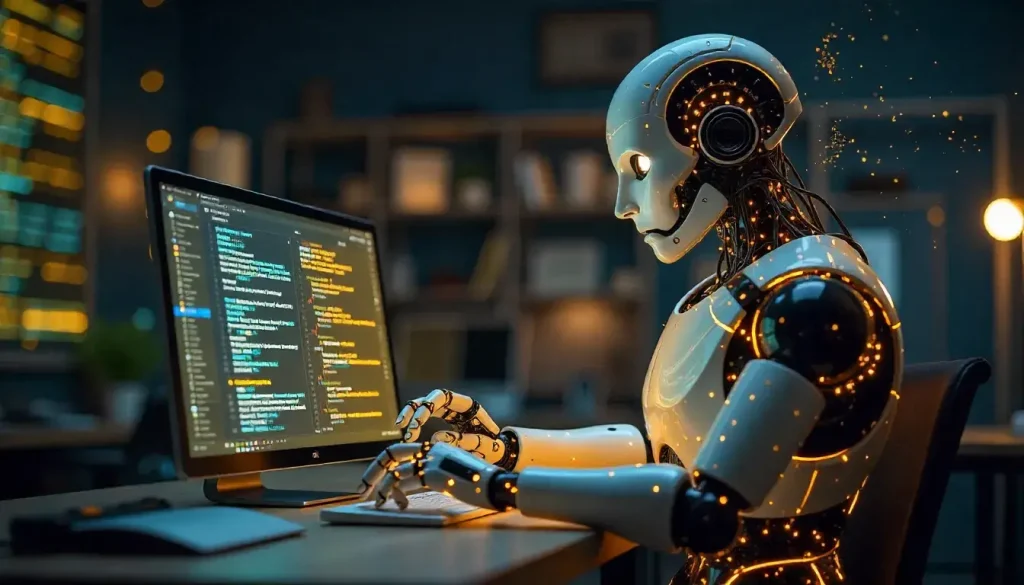
Artificial Intelligence (AI) is not the future of web development — it’s the present. In 2025, AI-driven development tools are reshaping how websites are built, tested, and maintained. From automating code generation to predicting user behavior, AI and automation have made development faster, smarter, and more efficient than ever before.
Smarter Coding and Faster Delivery
Modern developers now rely on AI-assisted platforms that can write clean code, suggest optimizations, and fix bugs in real-time. These tools analyze millions of code patterns to identify errors and improve performance instantly. For businesses, this means shorter development cycles, fewer bugs, and lower costs.
At WebLogix, we use AI-powered testing and deployment tools to ensure that every website runs flawlessly across devices and browsers — saving time without compromising quality.
Predictive Design and Personalization
AI doesn’t just speed up development — it also helps create better user experiences. Machine learning algorithms can study visitor behavior, identify what users like, and personalize the site layout accordingly. Imagine a website that adapts itself to each visitor, changing visuals, product recommendations, and messages dynamically — that’s 2025 web development in action.
Automation in Maintenance and Updates
Gone are the days of manually checking for updates and errors. Automation now handles everything — from plug-in updates and database cleanup to performance monitoring. This proactive approach prevents downtime and ensures consistent performance.
The Power of AI + Human Expertise
While AI tools make development efficient, human creativity still defines great digital experiences. Our developers combine technical skill with design thinking to build websites that not only function well but also connect emotionally with audiences.
Conclusion
AI and automation are redefining how businesses approach digital presence. At WebLogix, we integrate intelligent tools with expert craftsmanship to deliver websites that are fast, adaptive, and future-ready — built to meet the demands of 2025 and beyond.